
How the Social Security Widow Benefits Program Works
Social Security Benefits for Widowed Women
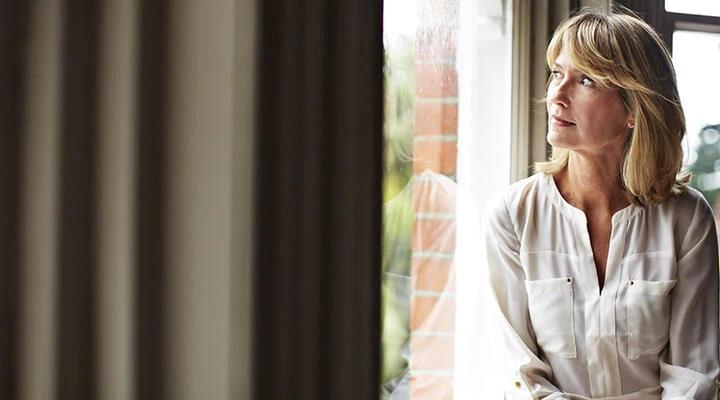
When you think of Social Security, you usually think of retirement benefits. But there is more to Social Security than that. A widow’s benefits or widow’s pension as it’s been called in the past is another nice benefit provided by the Social Security Administration. Under Social Security law, when a man or woman who has worked and paid Social Security dies, certain individuals from that man or woman’s family might be qualified for survivor advantages. When you think of Social Security, you usually think of retirement benefits. But there is more to Social Security than that. A widow’s benefits or widow’s pension as it’s been called in the past is another nice benefit provided by the Social Security Administration.
Millions Collect Widows Benefits
Because of this rule, there are presently around 5 million people receiving a month to month payments from Social Security in light of the income records of their expired mates. The children of the deceased may also be eligible to receive Social Security benefits.
When To Apply For Widows Benefits
Knowing when to apply for widow’s benefits is what many people need to know as they are getting older. It is common for people to look forward to their retirement years. You may want to relax from working so many years, and you want to be aware of when you will be allowed to collect the benefits. It is your right because you would have paid into the fund for many years. You will want to know when to apply for widow’s benefits. The age does change periodically so you will want to be kept updated on whether or not you are nearing the age. Right now, you will need to be 61 years and 9 months old when you want to apply. This is when you can receive your benefits early. If you wait until you are 67, you will get the full amount of the money that you have accumulated in Social Security. You do not want to apply for the benefits before you are 61 years and 9 months old because they will not be able to put them through.
Qualifying For Widows Benefits
Qualifying for widow’s benefits is another factor that a person will need to consider as they age. When you go about qualifying for widow’s benefits, it is a good idea to talk to someone that is in the know. They will be glad to assist you if you are having difficulties understanding the process. Be sure that you take down any notes that you feel you will need at a later time. You can bring along a notebook so that you can have the information at your disposal when you need it. Here is a checklist for what you will need in order to qualify for the benefits:
- Your Age- You will need to be the right age when you are planning to apply for the benefits. 61 years and 9 months of age are when you can apply for widow’s benefits. 67 years old is when you will receive the full amount. Remember to double check the age limits because they will change from time to time.
- You Are Not Currently Receiving- You cannot be receiving any Social Security on your record. They will pull the Social Security number to check for you. In most cases, you will know if you are receiving any type of benefits, but if you are not sure, you can ask a representative at the Social Security Office, and they will check for you.
- You Want Benefits In Four Months- If You are willing to take your benefits in four months, you can apply when you have reached the age that is specified. The Social Security Administration cannot process the benefits unless you want them within four months. Make sure that you are ready to take them before you apply.
- You Have Not Applied Before- You cannot have applied for the benefits before. Applying once is all that you need to do.
Where Can I Apply?
As you approach the age of when you apply for widow’s benefits, you will want to know where you can apply for these benefits. Once you know where you can apply, you can then formulate your plan. The Social Security Department makes it easy, there is an online form that you can fill out. It is easy to do, and self-explanatory. You will be able to complete it in around 15 minutes. This will save you time and money because you will not have to drive to a Social Security office to apply. By doing so online, you will be all set. If you feel uncomfortable applying online, you can also apply by phone or in person. You will have a choice in the matter. Pick the way that will be the most convenient for you. Check online for your Social Security Office if you want to go in person, or to get the telephone number so that you can do it over the phone.
Survivor’s Benefits
Benefits that widows, widowers, and children may receive are referred to as “survivor’s benefit.” Survivor’s benefits can include the following:
- Widows and widowers who have achieved full retirement age, for the most part, get 100% of the mate’s benefits.
- They can receive a reduced amount of the benefits at the age of 60 – or age 50 if debilitated. The amount received is not at full retirement age is around 71.5% to 99% of the laborer’s benefit.
- They can get the benefits at any age if they are caring for the child of the deceased. The child needs to be under the age of 16 or debilitated. The amount received would be about 75% of the full benefit amount.
Even if you were divorced from your mate, in the event they should die, you may be entitled to certain benefits.
Benefits for the Divorced
In the event that you are divorced and your former mate dies, you can receive the benefits due to the survivor if the marriage endured 10 years or more and you are age 60% or more (age 50 if debilitated). However, this may not be the case if you have remarried.
Qualified For Your Own Benefits
When individuals who are receiving survivor benefits get to be qualified for their own retirement package from Social Security, there are a few options for them to think about. For instance, a widow or widower who took a smaller survivor benefit at age 60, can change to her own particular income record when she gets to be qualified at age 62 – if the advantage would provide her with more income. Another alternative for the widow or widower is that he or she can choose to wait until full retirement age is reached and then receive the benefits from that time on-again if that amount is higher than what is already being received.
Talk With a Representative
The principles, laws, and rules applied to survivors tend to get a little complex and can change or fluctuate contingent upon the circumstance, so it will be well worth the time it takes to meet and talk with a Social Security agent about the alternatives that may be available to you.
Social Security Survivor Chart
The Social Security website has a nice chart that can help individuals to determine what kind of survivors benefits would be received. In addition, it is possible to apply for benefits online. However, endeavoring to speak personally with an agent will no doubt provide you with the most satisfying answers as you will be able to explain your own special circumstances.
Plan For Your Retirement
In your retirement years, you will want to have some money for living expenses and other items that you need. You may also want to have something set aside for vacations and entertainment. It is a good idea to plan for your retirement when you are young. You may want to set aside a special bank account that will earn interest over the years. When you retire, you will have that money in the bank account, plus the money from your widow’s benefits. Here is a list of things you might want to do so that your retirement years are good:
- Open A Special Bank Account- You will want to look at various banks. Get an account with one that yields the highest interest rate. Put so much money each month when you are younger, and you will have this money to live on when you retire.
- Take Advantage Of Your Work’s Savings Accounts- If you work offers a savings account option, take advantage of it. The money that is taken right from your paycheck goes into the savings account This way, you won’t be tempted to spend the money on something else.
- Research How Much Your Social Security Will Be- When you are younger, you should still keep track of how much your Social Security will be if you take it at 62 or wait until you are 67. You can find this out from the Social Security Department.
Having the widow’s benefits is a plus for people in their retirement years. It can make the difference in whether or not they can stay independent and afford their bills. The more that a person has worked and paid into the system, the more they will get when they are old enough to retire. Social Security or Widows Benefits are something that many women look forward to as they age.